There was a time when SEO wasn't much more than a checklist. You'd audit with Screaming Frog, plug keywords into Google Search Console, tweak a few meta tags using Rank Math or Yoast SEO, and call it a day. Maybe you'd spend an hour checking backlink profiles in Ahrefs or SEMrush. If you were serious, you added Moz Pro into the mix. But that was about it. The workflow was manual, fragmented, and slow. Today, that approach feels as outdated as dial-up internet.
Why Tools Alone Aren't Enough
Most teams now use a stack: HubSpot for content management, SurferSEO for on-page optimization, Clearscope for NLP-based content analysis, and Google Analytics to measure performance. That’s a full spread, but having tools doesn’t mean you’re working efficiently. In fact, juggling too many tools often slows you down.
I've watched agencies drown in dashboards—checking SERPWatcher for position changes, exporting backlink data from SEMrush, rerunning Sitebulb crawls after every edit, and cross-referencing it all with Google Search Console and Bing Webmaster Tools. It's a ritual. And while tools like Sitebulb or WebCrawler provide deep technical insights, none of them talk to each other unless you build the integrations yourself. That’s where real inefficiency lives.
The missing piece isn't another tool. It's coordination. You're not just managing links, keywords, or content—you're managing workflows, feedback loops, and strategy execution. Doing that manually, even with top-tier software, burns hours you can't afford to lose.
The Real Shift: From Monitoring to Automation
Consider this: most SEO platforms still treat backlinks as artifacts. They report on what exists. But modern SEO demands action. You want to build, not just monitor. You need to scale link acquisition without blowing up your outreach budget. That’s where Cloud Blogs come in—leveraging authoritative hosted domains to publish content with high domain relevance and backlink velocity.
I once worked with a SaaS brand that tried building organic links the traditional way—guest posts, outreach, broken link building. After six months, they had 27 new backlinks. Their traffic grew by 8%. It wasn’t nothing, but it wasn't sustainable. Then they switched to a structured Cloud Blogs model, publishing 3-5 authoritative pieces per month across high-DR domains. Within four months, they'd earned 120+ quality backlinks, 80% from domains with editorial weight. Their organic traffic climbed by 62%. The difference wasn't the volume alone—it was the velocity and consistency.
That kind of scale doesn’t happen by chasing tools or checklists. It happens when you automate the workflow behind the scenes. Not just the content, not just the links, but the entire process—from ideation to deployment to performance tracking.
What True SEO Automation Actually Does
People hear "automation" and think bots or scripts. But real SEO automation software is less about replacing humans and more about amplifying them. It handles the repetitive, error-prone tasks while freeing up space for strategic work. Think content briefs generated with NLP analysis of SERP winners, or AI content generator outputs filtered through relevance and topical authority checks.
Let’s say you're targeting a competitive keyword. You could spend hours analyzing the top 10 results with SurferSEO, Clearscope, and SEMrush. Or, the system could do it instantly—pulling in TF-IDF data, entity relevance, and keyword clusters to build a content brief that matches what’s actually ranking. Then, it drafts a version using an AI content generator fine-tuned for your tone and structure. A human editor steps in to refine, add insight, and insert personality.
After publishing, the tool monitors performance in Google Analytics, tracks keyword movement through SERPWatcher, and updates your backlink analytics dashboard with new referring domains. If rankings dip, it flags a technical concern or content decay—triggering a re-audit in Sitebulb or Screaming Frog without you lifting a finger.
That’s not science fiction. It’s available now. And it’s not just about saving time. It’s about reducing variability. One writer might nail E-E-A-T. Another might miss the mark. Automation ensures a baseline level of quality, relevance, and structural completeness every single time.
Backlinks That Scale—Without the Burnout
One of the biggest bottlenecks in SEO is link acquisition. Even with tools like Ahrefs and Moz Pro, sourcing and qualifying opportunities eats up time. Most agencies rely on spreadsheets—tracking domains by DA, spam score, relevance, and outreach status. Then they manually follow up. It’s draining.

Compare that to a system that identifies high-opportunity Cloud Blogs, verifies editorial standards, runs NLP checks on accepted content, and coordinates publishing—all within a unified interface. The backlink analytics engine updates in real time, showing you anchor distribution, domain diversity, and velocity trends. You’re not chasing links. You're managing a pipeline.
I’ve seen agencies go from 20 outreach emails a week to zero—because the software handles the connection layer, matching their content to available slots on authoritative hosted domains. These aren’t PBNs. They’re real websites, often with editorial oversight, that accept guest contributions. Once onboarded, the workflow becomes predictable: brief, write, review, publish, track.
And because the content lives on domains with existing authority, the backlink profile strengthens faster. Google tends to trust links that appear in context, on sites with clean histories. Bing Webmaster Tools confirms the same pattern—consistent indexing, low crawl errors, and faster SERP entry.
The Problem with Piecemeal Systems
There’s a quiet crisis in SEO right now. Teams are over-invested in tools but under-resourced in integration. They use SEMrush for keywords, Clearscope for content, Screaming Frog for technical audits, and Moz Pro for link tracking. Then they export data, clean spreadsheets, and try to make sense of it all in Google Sheets. It’s a patchwork. And it falls apart under scale.
I worked with an e-commerce brand last year that used SurferSEO religiously—every page had to hit a content score of 85 or higher. But they weren’t ranking. Why? Because the backend was a mess. JavaScript-heavy product filtering, inconsistent canonicals, and crawl budget wasted on filters. Screaming Frog would’ve caught it, but their content team didn’t run it. Their SEO consultant ran it—but only quarterly. The disconnect was fatal.
Tools don’t fix problems. Workflows do. You need a system where the AI content generator pauses if the technical audit fails. Where the Cloud Blog publishing queue won’t accept an article unless it passes NLP checks and on-page SEO benchmarks. Where Rank Math or Yoast SEO signals sync back into the central platform. Anything less and you’re playing whack-a-mole.
Data Should Trigger Action, Not Just Reports
Google Analytics and Google Search Console are powerful, but passive. They tell you what happened. They don’t help you fix it. A client once spent three months losing position on a keyword cluster. The data showed declining impressions and click-through rates. But no alert fired. No action was triggered. By the time they noticed, they’d dropped from page one to page four.
Automation changes that. Imagine a rule: if CTR drops below 3% for seven consecutive days, pull the latest content version and compare it against current SERP winners using SurferSEO’s competitive analysis. Flag missing entities, weak headings, or outdated data points. Assign a revision to the editor. That’s proactive SEO.
Same goes for alerts from Bing Webmaster Tools or Sitebulb. If a crawl reveals 404s on high-traffic landing pages, automation can suspend new indexing, notify the dev team, and roll back to a known good version—before Google penalizes the experience.
Not All Automation Is Created Equal
I’ve tested platforms that promise "full automation" but really just glue together APIs. They pull data from Ahrefs, push content to HubSpot, and call it a day. That’s integration, not intelligence. Real automation requires context. It knows that a drop in ranking might be due to a content gap, a technical issue, or a backlink loss—and investigates accordingly.
Take Search Atlas. It’s strong in local SEO, but less so in international link building. SEMrush excels at competitive analysis but doesn’t manage publishing workflows. Moz Pro gives clean link insights but lacks NLP features. None of them connect the full cycle: research, creation, deployment, and iteration.
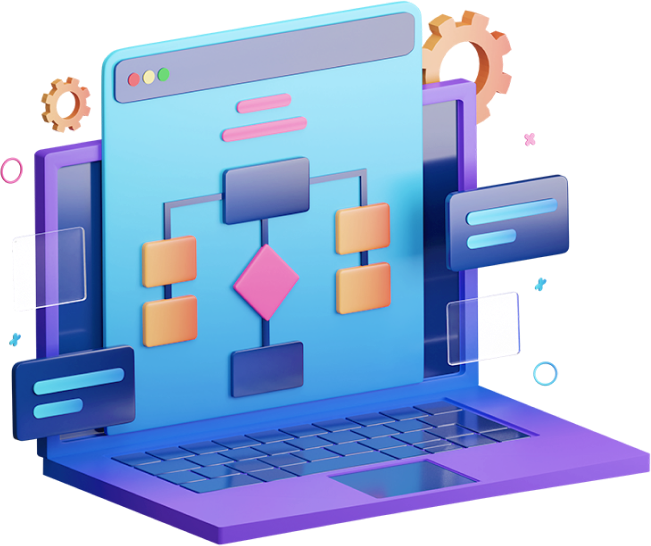
What you need is a platform that treats SEO as a continuous loop, not a series of isolated tasks. That means syncing keyword data from Google Search Console with backlink analytics from Ahrefs, factoring in content performance from Google Analytics, and using those signals to inform the next content batch. It means knowing when to pause outreach because a technical flaw was found, or when to fast-track a Cloud Blog post because a competitor’s article just dropped in authority.
When I ran audits for enterprise clients, I’d find the same pattern: tool sprawl, data silos, delayed responses. One team used Yoast SEO for optimization but didn’t connect it to their editorial calendar in HubSpot. Writers missed deadlines. Content went live with low readability scores. Then they’d go back and fix it—wasting double the effort.
The Human Role in Automated SEO
Automation doesn’t eliminate the SEO specialist. It redefines the job. Instead of manually checking meta tags or chasing down crawl errors, you’re setting guardrails, tuning rules, and interpreting edge cases. You’re reviewing automation-driven insights and deciding which strategic levers to pull.
For example, an AI content generator might produce a perfectly structured article. But tone, storytelling, and brand voice? Those still need human input. An automated system might flag a ranking drop and suggest a content refresh. You decide whether to update, rewrite, or pivot entirely.
Tools like Screaming Frog or Sitebulb still matter—especially during migrations or deep technical reviews. But they shouldn't be part of your weekly routine. Let automation trigger them when needed, not run them on a schedule.
The best outcomes happen when humans focus on judgment and creativity, while software handles scale and consistency. That's the real win.
Practical Gains: Time, Scale, and Predictability
Let’s talk numbers. A typical mid-sized agency might manage 20 clients. Without automation, each client requires 6-8 hours per week: content planning, technical checks, outreach tracking, and reporting. That’s 120 to 160 hours weekly. Even with junior staff, that adds up.
Now, introduce a workflow where seo automation software handles content brief generation, technical audits, Cloud Blog publishing coordination, and performance alerts. The human team shifts to strategy, quality review, and client communication. Weekly hours per client drop to 2-3. Total team load: 40 to 60 hours. The agency can scale to 40 clients without adding staff.
And it's not just about cost. It's about consistency. One client might get a sloppy review because the team was swamped. Automation enforces standards across the board. Every article meets the same NLP thresholds, every backlink passes the same editorial check, every technical flaw gets logged and escalated.
Choosing the Right Platform
Not every platform can handle this level of orchestration. You need deep integrations, not just API connectors. You need a system built for workflows, not just data.
Look for these capabilities:
- Native support for Cloud Blogs and hosted authoritative domains
- Real-time sync with Google Search Console, Google Analytics, and Bing Webmaster Tools
- Automated content briefs powered by NLP and competitive analysis (e.g., SurferSEO, Clearscope)
- Backlink analytics with spam detection, anchor diversity tracking, and velocity alerts
- AI content generator output that’s editable and aligned with E-E-A-T principles
If the platform forces you to export data to use Screaming Frog or manually check Yoast SEO scores, it’s not automated—it’s automated-adjacent. Real automation means the tool does the work, not just shows you the results.
Real Use Case: From 0 to Authority in 90 Days
A fintech startup came to me last year with no organic presence. Their domain was six months old. They were spending heavily on paid ads but wanted sustainable traffic. We built a 90-day plan around Cloud Blog publishing, AI-assisted content, and automated backlink building.
Week 1: Audit with Sitebulb and Screaming Frog. Fixed crawl issues, set up Google Search Console and Google Analytics. Identified 15 high-intent keyword clusters.
Week 2–4: Generated NLP-powered content briefs using competitive data from SEMrush and Ahrefs. Drafted 12 articles using an AI content generator, then refined with subject-matter experts. Published six on Cloud Blogs with strong backlink profiles.
Week 5–8: Launched a second wave. Monitored rankings with SERPWatcher. Tracked backlink growth via Moz Pro and internal dashboards. Adjusted content strategy based on early performance.
Week 9–12: Optimized top-performing pages. Repurposed content into HubSpot workflows. Achieved page-one rankings for 7 of 15 target keywords. Organic traffic grew from 0 to 8,400 monthly users.
The turnaround wasn’t magic. It was process. And the only way we hit that pace was by automating coordination across backlinks, content, and technical SEO.
The Bottom Line
SEO isn't getting simpler. Google's algorithms evolve. Competition intensifies. User expectations shift. You can’t keep up with spreadsheets and manual workflows. Even the best tools—SEMrush, Ahrefs, Moz Pro, Screaming Frog—won’t save you if they’re not working together.
True efficiency comes from orchestration. From having a system that knows when to write, when to audit, when to publish, and when to pause. Where backlink analytics inform content strategy, and AI content generator output is held to human standards.
The future of SEO isn't more tools. It's smarter workflows. It’s building momentum through consistency, not heroics. And it starts with choosing a platform that treats automation as a holistic discipline—not just a feature list.